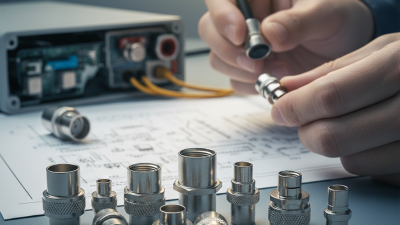
How to Choose the Right M8 Connector for Your Project?

Choosing the right M8 connector for your project can be daunting. Many factors influence the decision. An M8 connector is vital in ensuring reliable connections in various applications. It is essential for sensors, actuators, and communication devices.

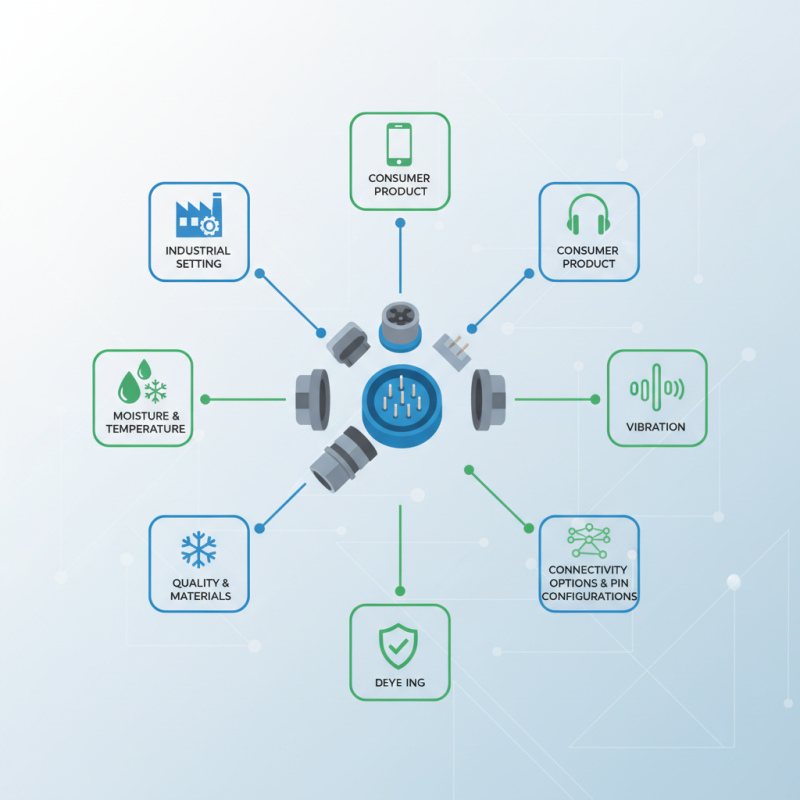
Consider the specific needs of your project. Is it for an industrial setting or a consumer product? The environment plays a crucial role in your choice. Think about factors like moisture, temperature, and vibration. These conditions can affect connector performance.

Quality matters too. Not all M8 connectors are created equal. Research brands and materials that suit your needs. Look for connectivity options and pin configurations. Take your time to weigh each choice carefully. The right connector can significantly impact your project's success.
How to Choose the Right M8 Connector for Your Project?

Understanding M8 Connectors: Types and Applications

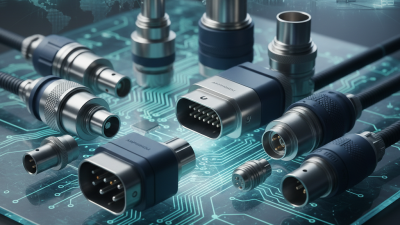
M8 connectors come in various types, each designed for specific applications. They are essential in industrial automation, sensors, and devices. Understanding these types helps in choosing the right one for your project. For example, the four-pin M8 connector is often used for simple sensors. It allows a seamless connection for signals and power.

Different environments require different features. For instance, some connectors are rated for harsh conditions. These may include extreme temperatures or exposure to moisture. Not all connectors can withstand these challenges. Reflecting on your project needs is important here. You might realize that a standard connector won't suffice.

Consider the cable length too. A longer cable may introduce signal loss, which is a critical factor. What’s more, connectors come with different locking mechanisms. This can affect how secure the connection is under motion or vibration. Analyze the specific requirements of your project. It's essential to ensure that every detail, from type to application, aligns seamlessly.
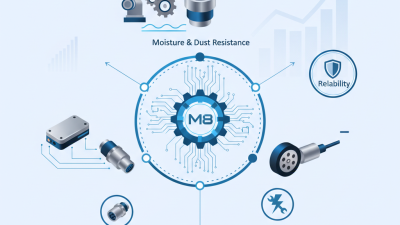
M8 Connector Types and Their Applications

Key Specifications to Consider for M8 Connectors

How to Choose the Right M8 Connector for Your Project?

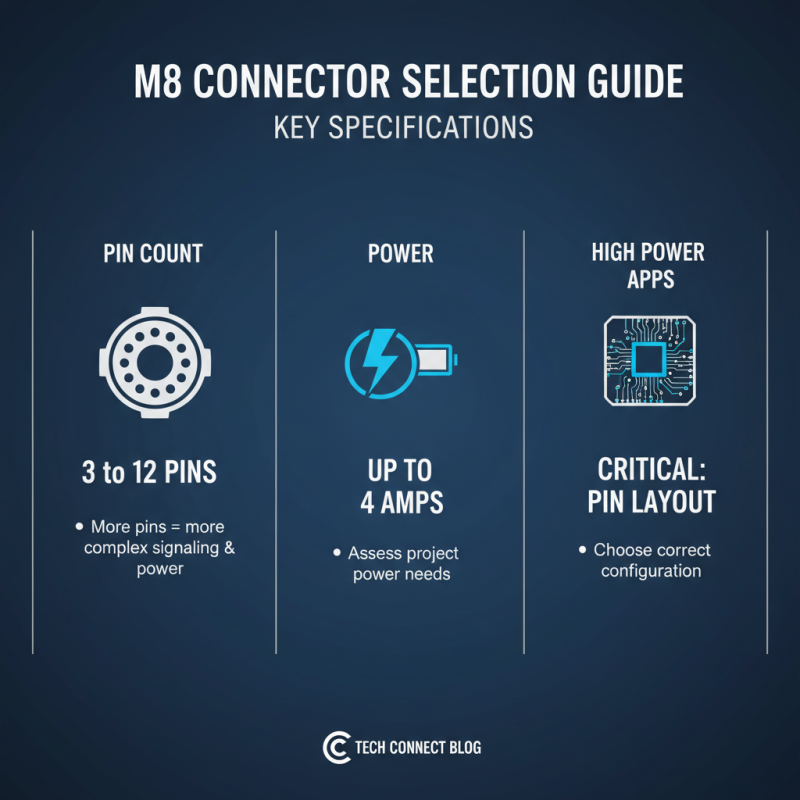
When selecting an M8 connector, several key specifications are crucial. The connector's pin count typically ranges from 3 to 12. A more extensive pin count allows for more complex signaling and power solutions. It’s essential to assess the power requirements of your project. For instance, M8 connectors can handle currents up to 4 amps, depending on the wiring. In applications where high power is necessary, choosing the correct pin layout is vital.

Another critical specification is the connector's environmental rating. M8 connectors are available in various IP ratings. An IP67 rating means the connector can withstand dust and immersion in water. According to industry reports, connectors with higher IP ratings see a 30% increase in longevity and reliability. Consider the installation environment and operational temperatures as well. Many connectors operate effectively between -40°C to +85°C. However, this range may not be suitable for every application.

Lastly, cable type also plays a vital role. Shielded and unshielded cables offer different benefits. Shielded cables protect against electromagnetic interference (EMI) but can be bulkier. Unshielded options are lighter but may expose equipment to noise. In practice, balancing performance and physical constraints is often challenging. Carefully evaluating these specifications will lead to a better fit for your project.

Evaluating Environmental Conditions for M8 Connectors

When evaluating environmental conditions for M8 connectors, several factors come into play. First, consider temperature ranges. M8 connectors must withstand varying temperatures. If your project is in a factory with fluctuating heat, check the temperature ratings. The wrong choice could lead to failure.

Another critical factor is moisture. M8 connectors may be exposed to damp environments. Ensure they have proper sealing and protection against water ingress. IP ratings are essential here; an IP67 rating typically signals robust protection. However, even with high ratings, it's vital to assess installation conditions. Poor mounting can compromise seals.

Vibrations and mechanical stress are also concerns. In industrial settings, connectors face constant motion. Selecting a durable connector can reduce wear. Inspect materials used in construction; some might not perform well under stress. It's essential to reflect on these details before making a decision. Each project has unique challenges, and ignoring them can affect overall reliability.

Choosing the Right Wiring Configuration for Your M8 Project

When selecting the right wiring configuration for your M8 project, begin by identifying the specific requirements. Is it for sensors or actuators? The use case can heavily influence your choice. M8 connectors provide diverse wiring options, including 3, 4, and 8-pin configurations. Understanding your device's needs is crucial.


Consider the environment where the connector will be located. Is it exposed to moisture or dust? IP67-rated connectors can withstand tough conditions, but they may be bulkier. Your decision may require trade-offs between size and functionality. Also, assess how long the connection needs to last. Will it face frequent disconnections? This could impact your choice of connectors.


While it's tempting to opt for standard configurations, unique applications may require custom solutions. Some projects may need specialized wiring that isn’t widely accessible. Reflect on whether you might be compromising quality for convenience. A more tailored approach might yield better results in the long run.

Cost Considerations and Supplier Selection for M8 Connectors

When selecting M8 connectors for your project, cost plays a crucial role. Look closely at your budget. A lower price may seem appealing but could come at a cost.
Often, cheaper options compromise quality. This might lead to long-term issues. Evaluate the impact of potential downtime or replacements. Sometimes, spending a little more upfront pays off.

Supplier selection can be daunting. Research potential suppliers thoroughly. Some may promise fast delivery and great prices, but can they deliver on their promises? Check reviews and request references. It’s important to ensure they have experience with M8 connectors. Ask about their quality control processes too. You want a reliable partner. A good supplier not only provides quality products but also support after the sale.

Don't overlook warranty offers. Products with limited warranties can lead to future headaches. A solid warranty can speak volumes about a supplier's confidence in their product. Be mindful of hidden fees, too. Sometimes costs creep in during the buying process. Transparency is key. Ensure you understand the total cost before making a commitment. Selecting the right components requires careful thought. Aim for balance in cost and quality to ensure project success.