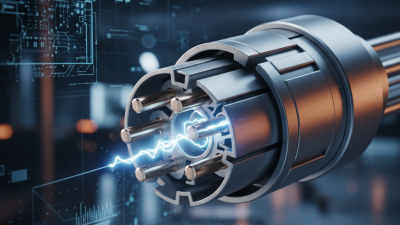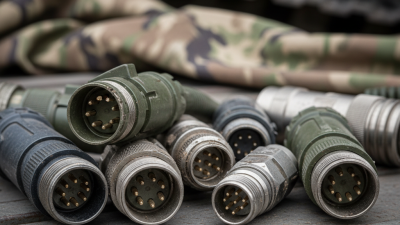
High power connectors play a vital role in modern electrical systems. As technologies advance, the demand for reliable connections has surged. Reports from industry leaders indicate that the global market for high power connectors is projected to reach $5 billion by 2026. This growth underscores the necessity for engineers and designers to make informed decisions.
When selecting high power connectors for projects, numerous factors must be considered. These include voltage ratings, current capacity, and environmental conditions. Industry experts suggest evaluating material quality, contact design, and thermal management. A poor choice can lead to system failures. In fact, misapplication can result in costly downtimes.
Research shows that inadequate connection standards account for 20% of electrical failure issues. Therefore, understanding specifications is crucial. High power connectors must meet stringent safety and performance criteria. Relying on trusted manufacturers is essential, but it’s also important to recognize potential lapses in quality assurance. Hence, engineers should continuously evaluate their selections for optimal long-term functionality.
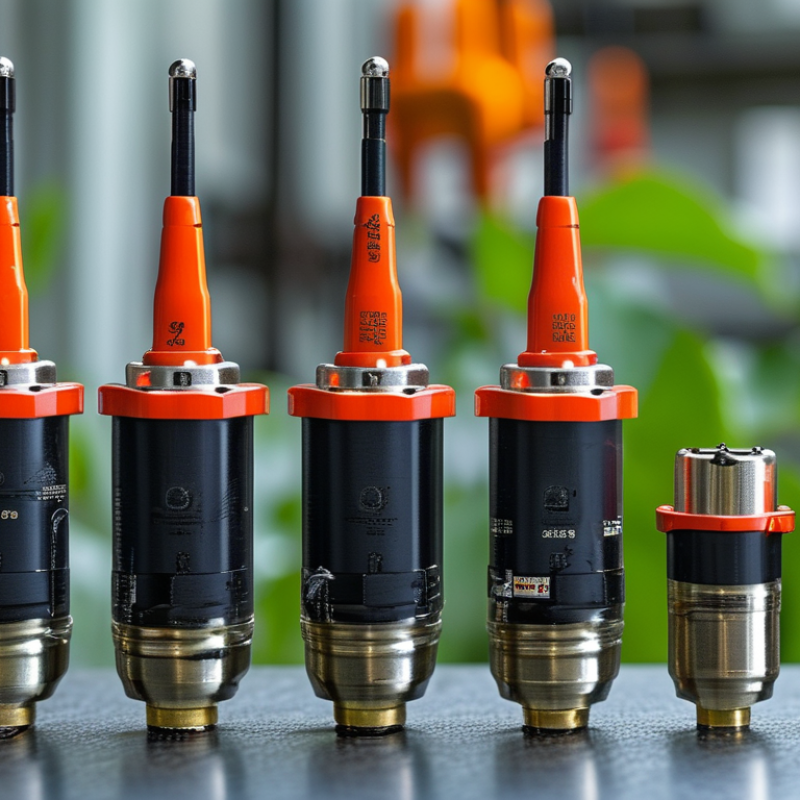
High power connectors play a crucial role in various electrical projects. These connectors are designed to manage high voltage and current safely. When selecting a high power connector, understanding key specifications is vital. Typical specifications include current rating, voltage rating, and temperature ranges. Each of these factors influences performance and safety.
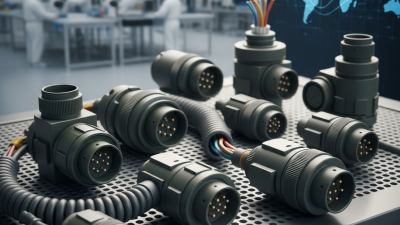
Connector types vary significantly. There are circular connectors, rectangular connectors, and specialized variants like power distribution units. Circular connectors often excel in rugged environments, while rectangular versions can be more compact. It’s essential to evaluate the specific needs of your project to determine the best type. Choices can be overwhelming, and overlooking details may lead to equipment failures.
Design and material also matter. High-quality materials can enhance durability and reduce electrical resistance. However, price variations raise questions. A more expensive connector might not always mean better quality. Reflection on your project requirements can guide you in making smarter, budget-conscious decisions. Understanding these elements can lead to more reliable and efficient outcomes in your electrical work.
When selecting high power connectors, it is essential to understand your application requirements. Power connectors are used in a variety of fields, such as renewable energy, automotive, and industrial systems. Each application has specific needs regarding voltage, current ratings, and environmental conditions. Assessing these factors will guide you in choosing a suitable connector.
Consider the voltage and current specifications for your project. For example, if your application operates at high voltage, look for connectors designed to handle that load safely. Additionally, evaluate the environmental conditions. Will the connectors be exposed to moisture, dust, or extreme temperatures? Selecting connectors with the right sealing and material properties is crucial.
Think about the mechanical design as well. Connectors must fit well into your systems without causing stress or damage. Sometimes, connectors may not fit perfectly into existing designs. Reflecting on redesigning some components might be necessary. Lastly, consider the ease of assembly and maintenance. High power connectors that are easy to install can save time and reduce errors in the long run.
This chart displays the current ratings of different high power connectors. When selecting connectors for your projects, it is essential to consider current handling capacity to ensure reliability and safety in high power applications.
When selecting high power connectors, several factors demand attention. Voltage and current ratings are crucial. Ensure that these ratings align with your project's requirements. Insulation types also play a role; choose materials that withstand specific environmental conditions. Durability is key, particularly in industrial applications.
Design aspects matter too. Consider the size and shape of connectors. They should fit well within your project's constraints. Compatibility with existing systems can save time and money. Don't overlook ease of connection and disconnection, which can influence operational efficiency.
In practice, testing different connectors can reveal unexpected challenges. For instance, a connector may meet specifications but fail under real-world conditions. Conducting thorough assessments during prototyping can lead to better outcomes. Always seek feedback from peers to identify overlooked details.
| Connector Type | Current Rating (A) | Voltage Rating (V) | Pin Count | Material | Cooling Type |
|---|---|---|---|---|---|
| Connector A | 100 | 600 | 4 | Copper | Passive |
| Connector B | 150 | 800 | 6 | Aluminum | Active |
| Connector C | 80 | 400 | 8 | Gold Plated | Passive |
| Connector D | 120 | 500 | 5 | Copper Alloy | Active |
Evaluating the quality and reliability of high power connectors is crucial for any engineering project. A thorough analysis can prevent failures and ensure efficiency. According to industry reports, approximately 30% of electrical failures are attributed to poor connector choices. This statistic underscores the importance of selecting connectors that meet stringent quality standards.
When assessing connectors, look for certifications from recognized organizations. These include ISO 9001 and UL certifications. Such credentials signify rigorous testing and adherence to safety protocols. Additionally, consider the connector's materials. Copper alloy components tend to provide better conductivity than cheaper alternatives. This can enhance overall performance and longevity.
To further ensure reliability, examine the thermal performance of the connectors. Connectors must withstand temperature fluctuations to prevent failures. Reports indicate that connectors rated for extended temperature ranges perform better in real-world applications. It’s essential to choose connectors designed for your specific environment.
High power connectors face unique challenges. They may experience vibration, moisture, or dust exposure. Connectors with robust sealing and locking mechanisms are vital. A well-sealed connector not only protects against contamination but also enhances connection stability. Regular inspections can help identify wear and tear early, allowing for preventive maintenance.
Integrating high power connectors into your projects requires careful consideration. Begin with understanding the specific power requirements of your application. Make sure the connectors can handle peak currents with stability. Check the voltage ratings as well. Ignoring these factors can lead to overheating or failure.
When maintaining high power connectors, cleanliness is crucial. Dust and debris can disrupt electrical flow. Regular inspections help identify wear or corrosion. Use appropriate cleaning tools to ensure optimal performance. In many cases, users overlook maintenance schedules. This neglect can result in costly downtimes.
Compatibility is another vital element. Ensure your connectors match the overall design of your system. Mismatched components can cause inefficiencies. Always refer to technical specifications. Real-world applications sometimes reveal gaps between theory and practice. Reflection on past projects can guide future improvements.